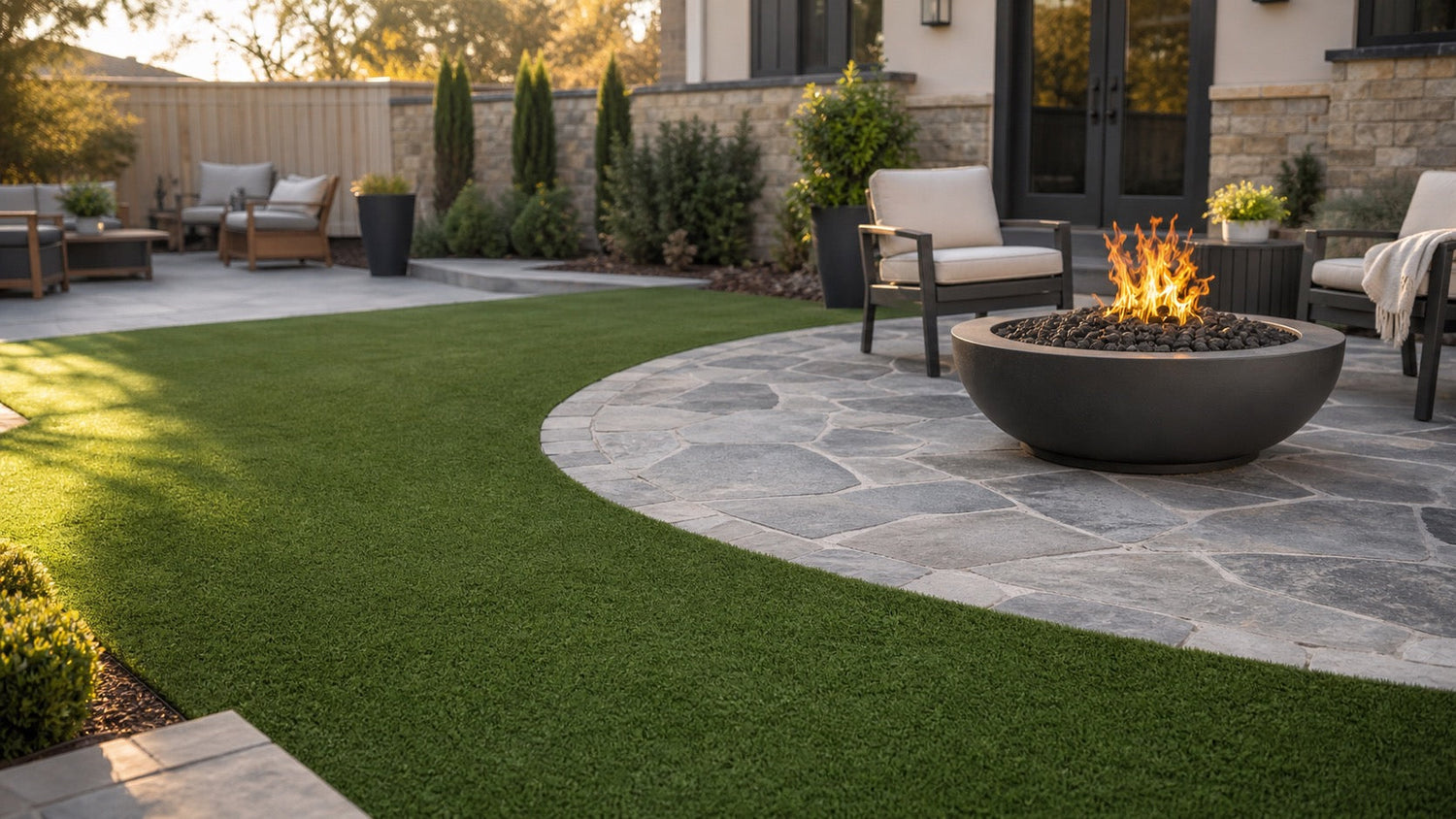
Artificial grass is usually fire resistant, but it is not fireproof. That is the honest answer.
In everyday use, a quality turf product should not act like dry natural grass. A small spark, a dropped cigarette, or a brief touch from a hot ember may leave a melted spot instead of spreading flames across the yard. Strong heat is different. A fire pit, grill, heater, hot charcoal, or steady open flame can melt the fibers, damage the backing, and leave a mark that is hard to repair.
If you are choosing turf from LITA's artificial grass product range, treat fire safety as part of the whole installation. The product matters, but so do infill, spacing, hardscape, maintenance, and the way you use the space.
[Image placeholder: artificial-grass-fire-resistant-hero.jpg]
Alt text: Artificial grass fire resistant lawn with a stone buffer around a backyard fire pit.
Quick answer: is artificial grass fire resistant?
Yes, many artificial grass products are made to resist ignition and limit flame spread. They are not designed to sit under open flame or direct high heat.
The safer way to think about it is simple:
| Heat source | What usually happens | Risk level | Best practice |
|---|---|---|---|
| Small spark or cigarette ash | Fibers may melt or discolor | Low to medium | Clean the area and inspect for melted spots |
| Grill grease, hot charcoal, or embers | Turf can melt quickly | Medium to high | Keep grills on concrete, stone, brick, or pavers |
| Fire pit or chimenea | Radiant heat and sparks can damage turf | High | Build a non burnable buffer zone around the fire feature |
| Outdoor heater | Nearby turf can shrink or deform | Medium | Aim heat away from the grass and keep distance |
| Reflected window heat | Fibers can soften or melt over time | Medium | Add shade, window film, or change the turf layout |
| Fireworks | Hot debris can melt or ignite nearby material | High | Do not use fireworks over artificial grass |
Artificial turf is not usually the first thing that catches fire in a yard. The more common problem is surface damage from heat. Leaves, paper, mulch, furniture cushions, and other debris can make the situation worse if they catch fire on top of the turf.
What artificial grass is made of and why it matters
Artificial grass blades are usually made from polyethylene, polypropylene, nylon, or a mix of materials. These are synthetic fibers, so they react to heat differently from natural grass.
Polyethylene is common in residential turf because it feels softer and looks more natural. Polypropylene is often used in lower traffic or decorative turf. Nylon is stronger and more heat tolerant than many other turf fibers, but it usually feels firmer and costs more.
The backing also matters. Turf backing is often made from latex or polyurethane, and it holds the fibers in place. If the backing is exposed to enough heat, the damaged area may not recover even if the grass blades only look slightly melted.
Infill is the material brushed into the turf after installation. Silica sand infill is useful around heat because sand does not burn and can help stabilize the turf. Rubber infill can feel softer, but it can also heat up more and may produce more smoke if exposed to fire. For a fuller comparison, see LITA's guide to the best infill for artificial grass.
[Image placeholder: fire-resistant-artificial-grass-infill-backing.jpg]
Alt text: Artificial grass backing and sand infill layers that help improve fire safety.
What do fire ratings mean?
Fire ratings are helpful, but only if you know what was tested. A label such as "fire resistant" or "Class A" is not enough by itself.
Ask the supplier these questions before buying:
- Which fire test was used?
- Was the test done on the turf only or the full turf system with backing and infill?
- Does the report show flame spread, smoke, melting, or all three?
- Is the test report from an independent lab?
- Does the rating meet your local code or project requirement?
For homes, this may feel like extra work. It is worth asking anyway. A product with clear test documents is easier to trust than a product page that only says "fire safe" without proof. If you are unsure, request a turf sample and ask for the matching product specifications before you install it near a grill, fire pit, or rooftop seating area.
Fire resistant does not mean heat proof
This is where many homeowners get caught. Fire resistance is about how the product behaves around flame. Heat damage can happen even without a flame.
A hot grill leg can leave a melted circle. A metal fire pit can radiate enough heat to shrink nearby fibers. A piece of charcoal can burn a small spot before anyone notices. Reflected sunlight from windows can focus heat onto one area every afternoon and slowly deform the turf.
Once artificial grass melts, it does not grow back. Small spots can sometimes be patched, and LITA has a guide for DIY artificial grass repair. Still, prevention is much cheaper than repair.
If your yard gets intense sun, read LITA's guide on how to keep turf cool. Heat planning helps with comfort and fire safety.

Fire pits, BBQs, and outdoor heaters
Do not place fire pits, grills, chimeneas, or outdoor heaters directly on artificial grass. A heat mat may reduce surface contact, but it should not be your only protection. High heat can still pass through or radiate outward.
Use a hard, non burnable surface instead:
- Concrete
- Stone
- Brick
- Gravel
- Pavers
- Fire rated patio tile
Leave a clear buffer between the turf and the heat source. The exact distance depends on the fire feature, local rules, wind, and the manufacturer's instructions. When in doubt, make the hardscape area larger. A small ring of pavers may look tidy, but it may not catch sparks or ash when people are actually using the space.

For grilling, the NFPA grilling safety guidance is a useful external reference. It focuses on preventing fires, burns, and property damage around grills. The U.S. Fire Administration also publishes cooking fire safety guidance that reinforces the same basic rule: heat sources need attention and clearance.
[Image placeholder: artificial-grass-fire-pit-bbq-safety-layout.jpg]
Alt text: Artificial grass safety layout showing grill and fire pit placed on pavers away from turf.
Best practices for artificial grass fire safety
Start with a product that has documented fire testing. Then design the yard so the turf is not the first surface under heat, sparks, or hot metal.
Use sand infill near patios, walkways, seating areas, and other places where heat exposure is more likely. Keep loose debris off the lawn. Dry leaves, paper, mulch, and party trash can catch fire more easily than the turf itself.
Plan the installation carefully. A stable base, proper edging, and clean transitions into hardscape make it easier to keep grills and fire features off the grass. LITA's artificial grass installation guide is a good place to start if you are planning the layout before buying materials.
For pet spaces, drainage matters too. Urine, rain, and rinse water need a way to move through the turf. Good artificial grass drainage helps with odor and cleaning, and it also keeps debris from building up in low spots. If the main use is dogs, compare LITA's pet turf options before choosing a general landscape product.
Sports fields and public areas
Sports fields, schools, rooftop amenities, and commercial spaces need more planning than a small home lawn. The turf may see heavy traffic, large groups, equipment, and stricter local safety requirements.
For these projects, ask whether the full turf system has been tested, including the turf, backing, infill, base, and any padding. A public area should also have clear fire breaks, regular cleaning, and access for maintenance crews.
If the project is for training or field use, compare LITA's sports turf collection and confirm the fire documents before installation. For rooftops and commercial properties, local code and building management rules should guide the final product choice.
FAQ
Can artificial grass catch fire?
Yes, it can burn under strong or sustained flame, but quality artificial grass is usually designed to resist ignition and limit flame spread. In everyday accidents, melting is more common than a spreading fire.
Will a cigarette burn artificial grass?
A cigarette can leave a melted or discolored spot. It may not start a large fire by itself, but it can damage the fibers and ignite dry debris sitting on the turf.
Can I put a BBQ grill on artificial grass?
No. Put the grill on concrete, stone, brick, gravel, or pavers. Hot grease, charcoal, flare ups, and metal legs can damage turf quickly.
Can I put a fire pit on artificial grass?
No. A fire pit belongs on a non burnable surface with a wide buffer around it. Sparks, ash, radiant heat, and hot metal can all damage artificial grass.
Is sand infill better for fire safety?
Sand is a good choice near heat because it does not burn. It also adds weight and helps hold the turf in place. The right infill still depends on the use case, comfort needs, drainage, and installation.
What should I do if artificial grass melts?
Stop using the heat source in that location, clean the area, and inspect the backing. Small melted spots may be trimmed or patched. Larger damage usually needs a turf repair.
Final thoughts
Artificial grass can be a safe surface around homes, patios, pet areas, and public spaces when it is chosen and installed correctly. The mistake is treating "fire resistant" as permission to ignore heat.
Choose turf with clear fire testing. Use sand infill where heat exposure is more likely. Keep grills, fire pits, heaters, charcoal, and fireworks off the grass. Build hardscape buffer zones before you need them.
If you are planning a project near a fire feature, pool area, rooftop, or outdoor kitchen, contact LITA before you buy. The right turf layout will save more trouble than a repair after the first burn mark.
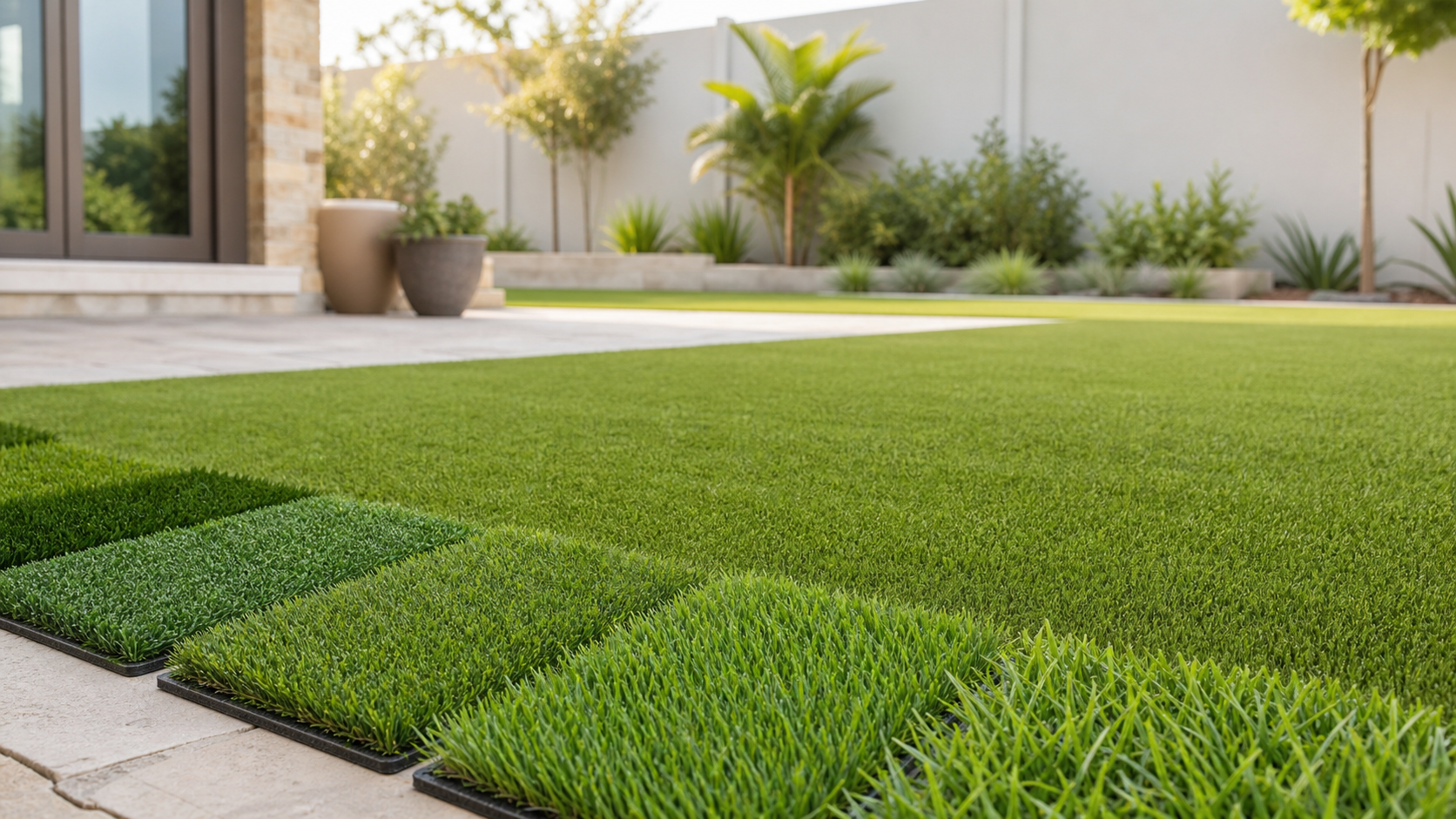
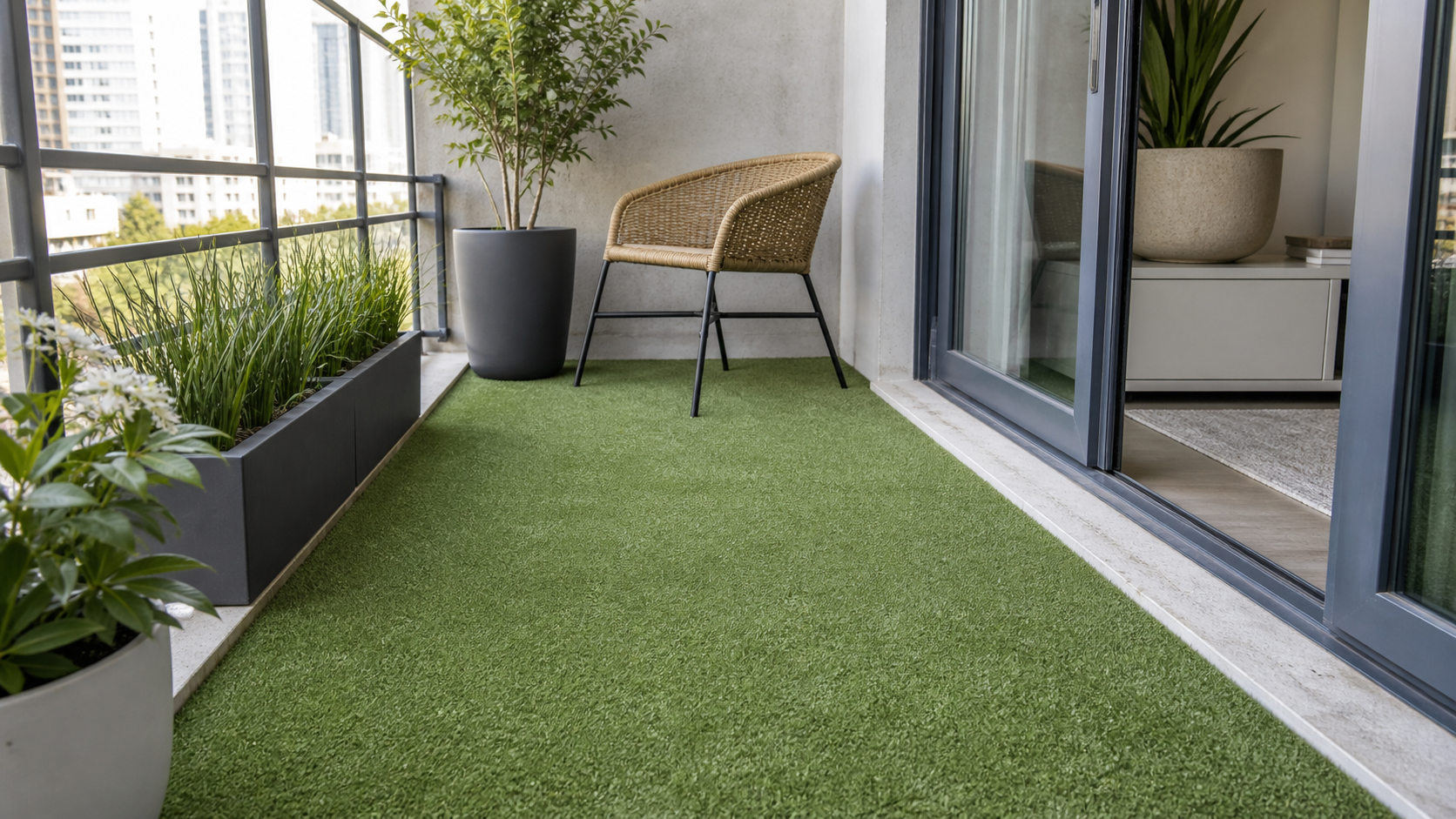

Leave a comment
This site is protected by hCaptcha and the hCaptcha Privacy Policy and Terms of Service apply.