
Artificial turf has become very popular for homes, schools, and businesses. Many people choose it because it stays green all year, saves water, and needs less care than real grass. But even the best turf can fail if it is not installed the right way.
Poor installation can cause many problems. You may see wrinkles, loose edges, visible seams, or water that does not drain. In some cases, turf can sink or smell bad after rain. These issues often show up within the first year and can be expensive to fix.
That is why choosing the right professional is so important. This guide will help you understand what to look for, what questions to ask, and what mistakes to avoid when hiring turf installers.
Start With Your Turf Project Goals
Before you call any installer, take time to understand your own project. This step helps you avoid problems later and keeps installers from selling you the wrong product.
First, think about where the turf will be installed. Is it going in a front yard, backyard, rooftop, balcony, or play area? Each space has different needs. A small balcony does not need the same turf as a large yard.
Next, think about how the turf will be used. Will kids play on it every day? Will pets run and use it often? Or is it mostly for looks? Heavy use needs stronger turf and a better base.
Also consider your local weather. Some areas get a lot of rain, while others deal with strong sun and heat. Drainage and heat control matter more in these spaces.
How to Find Reliable Turf Installers Near You
Finding the right company takes more than a quick online search. Many installers appear in ads, but not all offer the same quality of work.
Start by searching for turf installers in your local area. Visit their websites and look closely at their photos. Real installers will show pictures of completed jobs, not stock images. Look for projects that look clean, flat, and natural.
Next, read customer reviews. Pay attention to comments about how the yard looked months later, not just right after installation. Reviews that mention good cleanup, clear communication, and on-time work are strong signs of a reliable company.
It is smart to contact at least three companies for quotes. This helps you compare prices, materials, and installation methods. Do not rush this step. A little extra time spent researching can prevent costly mistakes later.

Licenses, Insurance, and Certifications You Should Never Skip
Hiring a professional is not just about how the turf looks. It is also about protecting your home and your money.
First, make sure the installer has the proper business license for your area. Licensed companies follow local rules and are easier to trust if problems come up.
Next, ask about insurance. A good turf installer should have general liability insurance. This protects your property if something is damaged during the job. They should also have workers’ compensation insurance. Without it, you could be responsible if a worker gets hurt on your property.
Certifications are another good sign. Some installers complete special training for artificial turf installation. These certified installers usually follow better methods for base prep, drainage, and seams.
Do not feel uncomfortable asking for proof of licenses or insurance. Honest professionals expect these questions and will provide paperwork without hesitation.
The Installation Process Explained: What Pros Should Do Step by Step
A strong and clean installation is what makes artificial turf last for many years. Even high-quality turf can fail if the installation is done poorly. Here is what a professional process should look like.
Site preparation and excavation
The installer should remove existing grass, soil, and debris from the area. This is called excavation. Most projects need several inches of soil removed so a strong base can be built. Skipping this step can cause the turf to move, sink, or hold water.
Base materials and compaction
After excavation, a base made from crushed stone or similar material is added. This layer is compacted using special machines. A firm base helps keep the turf level and stable, even with regular foot traffic.
Drainage setup
Proper drainage is critical. The area should be slightly sloped away from buildings so water can flow out. In yards with heavy rain or poor soil, extra drainage steps may be needed.
Weed barrier and edging
A weed barrier is placed over the base to help stop weeds from growing through the turf. Edges are then secured using nails, boards, or concrete to prevent lifting.
Turf placement, seams, and infill
The turf is rolled out, trimmed, and carefully joined at the seams. Infill is spread into the turf and brushed in so the blades stand upright. This step gives turf its natural look and feel.
How to Evaluate the Quality of Turf Materials
Not all artificial turf is the same. Even if two types look similar, their quality and lifespan can be very different.
Start by looking at the turf fibers. Some are made to handle heavy foot traffic, while others are only for decoration. Strong fibers bounce back after being walked on and do not flatten easily.
Next, check the backing of the turf. The backing holds the grass blades in place. A quality backing is thick, flexible, and well bonded. If the backing is weak, the blades can pull out over time.
Drainage is also very important. Good turf allows water to pass through quickly. This helps prevent puddles and bad smells, especially in pet areas.
Ask about UV protection. Turf exposed to the sun should resist fading. Most quality products come with a manufacturer warranty that covers color fading and material failure.
Finally, make sure the turf matches your use. Turf made for pets, playgrounds, or sports is designed differently. Choosing the right product helps your turf last longer and stay looking good.
Essential Questions to Ask Before Hiring
Asking the right questions can quickly show whether an installer knows what they are doing. A professional should answer clearly and with confidence.
Start by asking about experience. Find out how long they have been installing artificial turf and how many projects they have completed. Ask if they use their own workers or outside crews. Installers who use trained in-house teams often provide better results.
Next, ask about site planning. A good installer will visit your property before giving a final quote. They should check drainage, slopes, trees, and any irrigation lines. These details affect how the turf is installed.
Ask about the installation process. Find out how deep they excavate, what base material they use, and how they compact it. Ask how seams are joined and what type of infill they recommend for your space.
Finally, ask about warranties. There should be a manufacturer warranty for the turf and a workmanship warranty for the installation. This protects you if problems appear later.
How to Compare Quotes Without Getting Burned
Getting multiple quotes is smart, but only if you know how to read them. A low price does not always mean a good deal.
Each quote should be written and detailed. It should list the turf brand, type, and total area being covered. The quote should also explain how deep the base will be and what materials will be used.
Look for details about drainage, edging, weed barriers, and infill. These are important parts of the installation and should not be skipped or hidden.
Be careful with quotes that say “all included” but do not explain what that means. Many cheap quotes leave out proper base work or use low-quality turf.
If one price is much lower than the others, ask why. Often, it means corners are being cut. A clear, detailed quote usually shows a company that takes its work seriously.

Installation Day and Final Walkthrough Checklist
Installation day is when everything comes together. Paying attention during this stage helps avoid problems later.
Before work starts, confirm that the crew understands the project plan. Make sure the area, turf type, and layout match what was agreed on. Any doubts should be cleared up before installation begins.
During the work, you should see the base being compacted and leveled. The surface should look smooth and firm before the turf is placed. Seams should be straight and tight, not wide or uneven.
After the turf is installed, walk the area with the installer. The surface should feel flat, with no bumps or soft spots. Edges should be secure and clean. Ask the installer to explain basic care, like brushing and cleaning.
Red Flags to Watch Out For
Some warning signs can tell you when an installer should be avoided. Paying attention to these can save you time and money.
Be careful if someone says turf can be installed directly over existing grass or soil. This shortcut often leads to drainage problems and uneven surfaces. A proper base is always needed.
Avoid installers who refuse to give a written quote or proof of insurance. These documents protect you and show that the company is professional.
High-pressure sales tactics are another red flag. Trustworthy installers do not rush you to sign a contract or offer deals that expire the same day.
Also be cautious if they cannot explain their installation process in simple terms. Skilled turf installers are happy to explain their work and answer questions clearly.
Final Thoughts: Choose Quality Over Shortcuts
Installing artificial turf is a long-term investment. When done the right way, it can look great and perform well for many years. When done poorly, it can lead to costly repairs and frustration.
Taking time to plan, ask questions, and compare options makes a big difference. Quality materials, proper base work, and skilled workmanship all matter.
This guide was created to help you feel confident during the hiring process. By following this checklist and working with reliable turf installers, you increase your chances of getting results you’ll be happy with.
Always remember, choosing quality over shortcuts is the best way to protect your investment and enjoy your new turf without worry.
Frequently Asked Questions
✅Q1: Is artificial turf safe for pets and children?
A: Absolutely. High-quality synthetic grass, like the Lita collection, is manufactured using non-toxic, lead-free materials. It provides a soft surface that reduces scrapes from falls and stays free of allergens, fleas, and ticks common in natural grass. For pet owners, it’s durable enough to withstand digging and is incredibly easy to clean.
✅Q2: How does the drainage system work after installation?
A: A professional installation includes a crushed stone sub-base designed for rapid water absorption. The turf itself features a perforated backing with drainage holes. Even during heavy rainfall, water typically drains faster through synthetic turf than it does through natural soil, preventing puddles and mud.
✅Q3: What is the typical lifespan of artificial grass?
A: While it depends on usage and maintenance, premium artificial turf generally lasts between 15 to 20 years. Lita products undergo rigorous UV-stability testing to ensure the vibrant green color won't fade or become brittle under intense sun exposure.
✅Q4: Can I DIY the installation, or should I always hire a pro?
A: While DIY is possible for very small, simple areas, we strongly recommend professional installation for full landscapes. As outlined in this guide, base preparation, seam joining, and secure edging require specialized tools and experience. Improper installation leads to wrinkling and poor drainage, which can be more expensive to fix later than hiring a pro from the start.
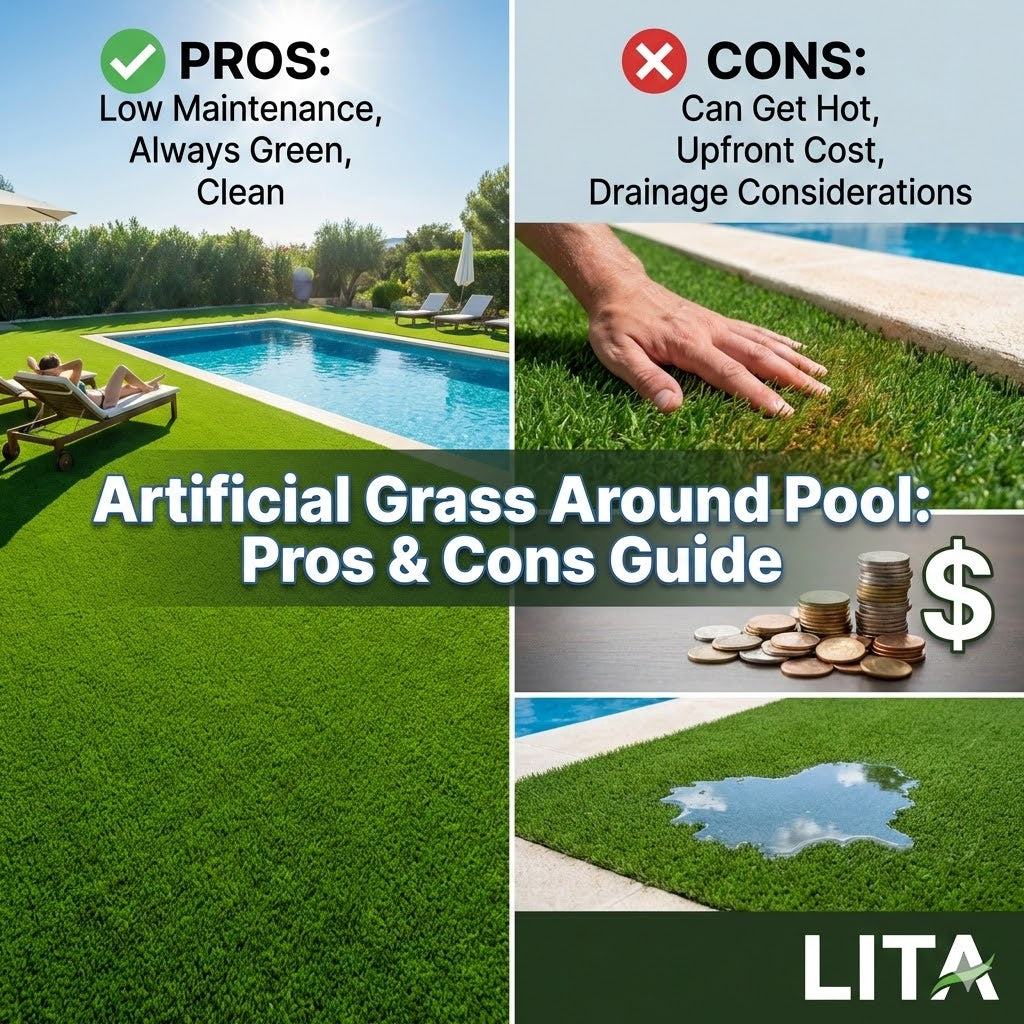
✅Q5: Does artificial grass get too hot in the summer?
A: Like any outdoor surface, synthetic turf can get warm in direct sunlight. However, you can manage this by choosing turf with cooling technology fibers or by simply giving the lawn a quick "rinse" with a hose on extreme heat days to drop the temperature instantly. Ready to start? Get a Free Quote from Lita's experts today.


Leave a comment
This site is protected by hCaptcha and the hCaptcha Privacy Policy and Terms of Service apply.